DevOps & Kubernetes

DevOps & Kubernetes

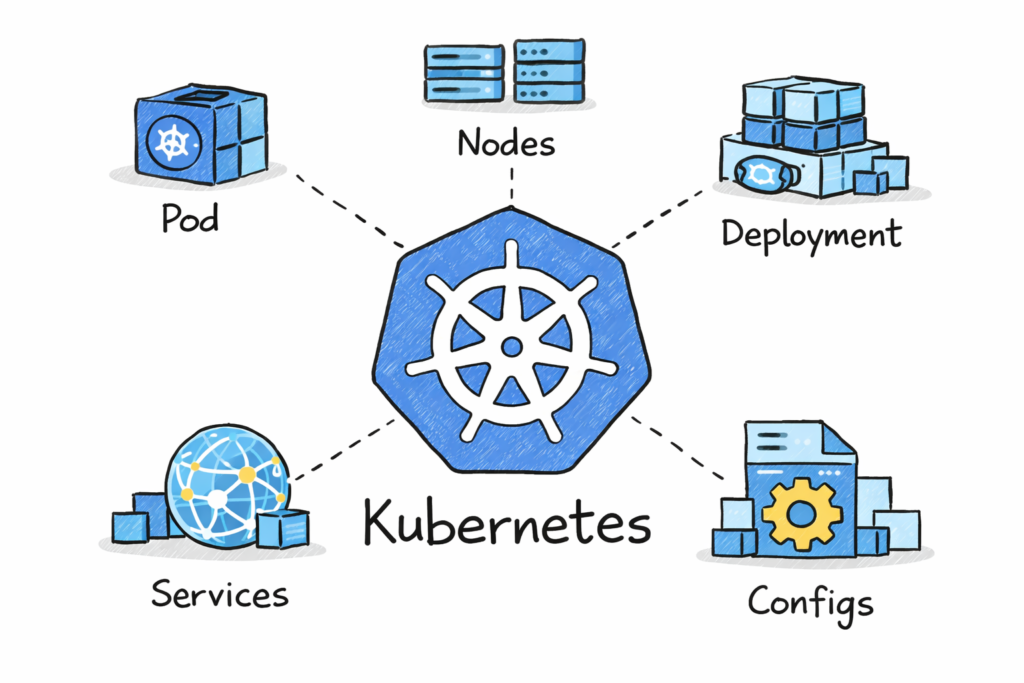
Kubernetes Cheat Sheet: kubectl Commands Explained with Real-World Examples

Kubernetes commands are easy to copy from the internet. Knowing which command to use during an incident, deployment, or debugging session is what actually matters in real environments. This post explains the most commonly used kubectl commands, grouped by use case, with real-world DevOps examples — not theory. Reference: kubectl quick reference (official docs) Cluster […]

Kubernetes Cheat Sheet: kubectl Commands Explained with Real-World Examples Read Post »
DevOps & Kubernetes

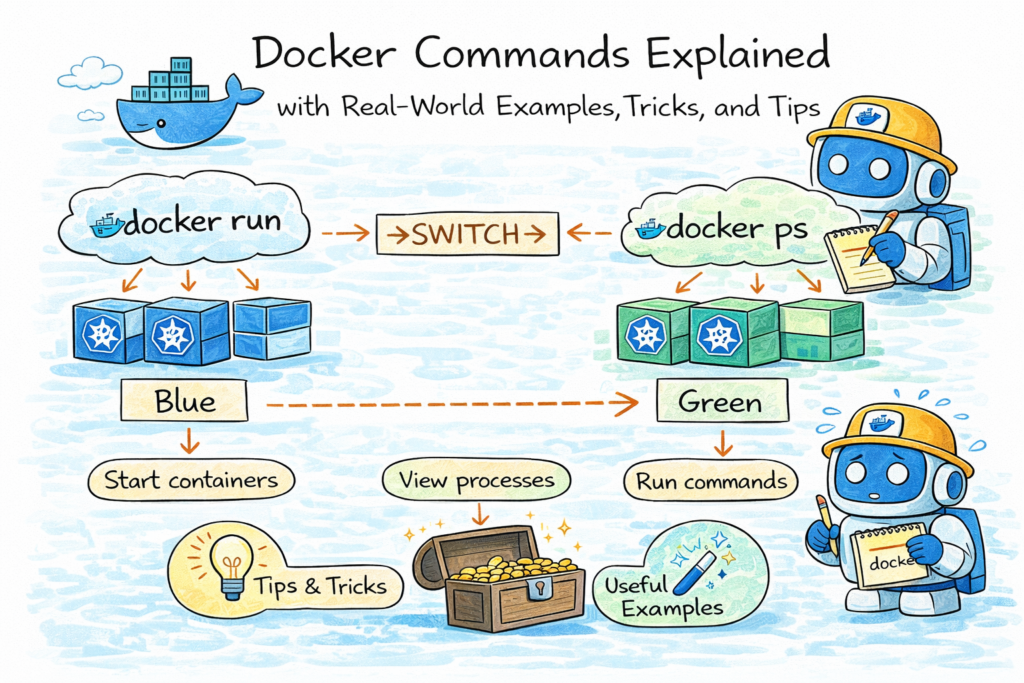
Docker Commands Explained with Real-World Examples, Tricks, and Tips

Docker commands look simple on the surface.But in real environments, how and when you use them matters far more than memorizing syntax. This post walks through the most commonly used Docker commands, with practical examples, real-world usage patterns, and tips that actually help in production. Docker Container Management Commands These are the commands you’ll use

Docker Commands Explained with Real-World Examples, Tricks, and Tips Read Post »

DevOps & Kubernetes

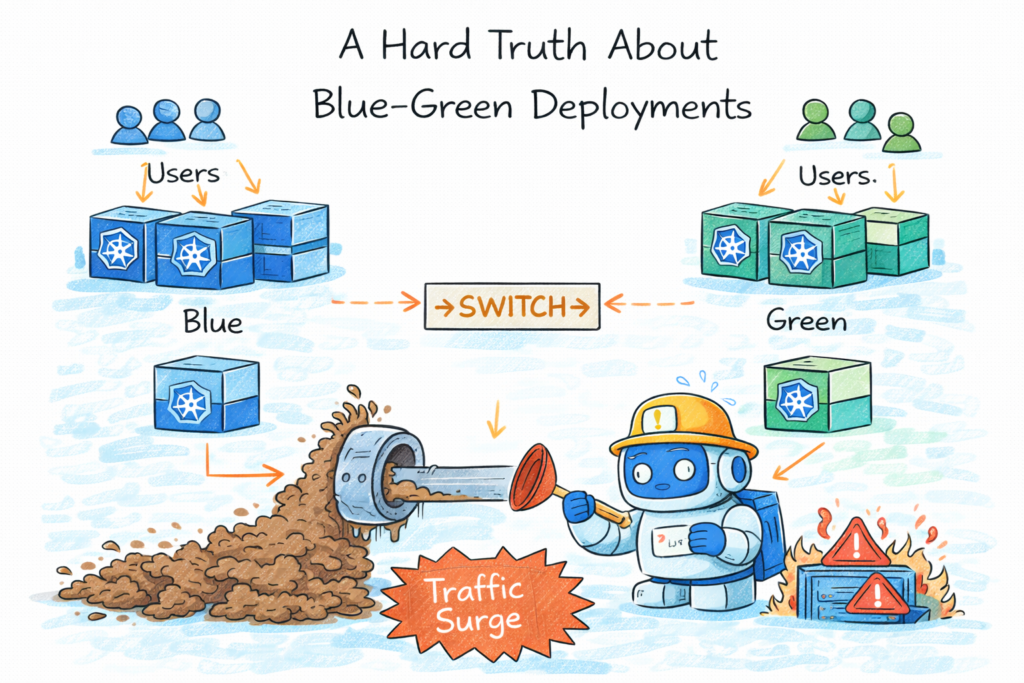
A Hard Truth About Blue-Green Deployments

Application Rollbacks Are Easy. Database Rollbacks Are Not. Introduction Blue-green deployments are often presented as the safest way to release changes into production. Two environments.Instant traffic switch.Easy rollback. And yet, many production incidents during blue-green deployments don’t come from Kubernetes, CI/CD pipelines, or load balancers. They come from the database. Application rollbacks are easy.Database rollbacks

A Hard Truth About Blue-Green Deployments Read Post »

DevOps & Kubernetes

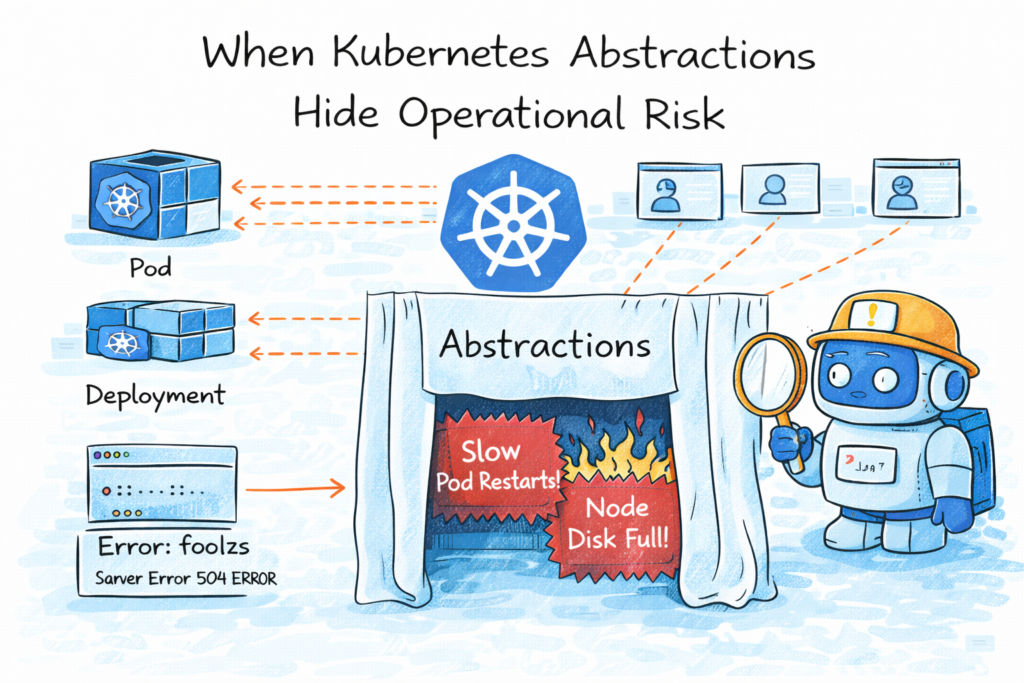
When Kubernetes Abstractions Hide Operational Risk

Introduction Kubernetes is excellent at hiding complexity. That’s also its biggest risk. Abstractions make systems easier to use, faster to deploy, and simpler to reason about — until something goes wrong. When that happens, teams often realize they no longer understand the system they’re running. Kubernetes doesn’t remove operational risk.It often hides it. This post

When Kubernetes Abstractions Hide Operational Risk Read Post »

DevOps & Kubernetes

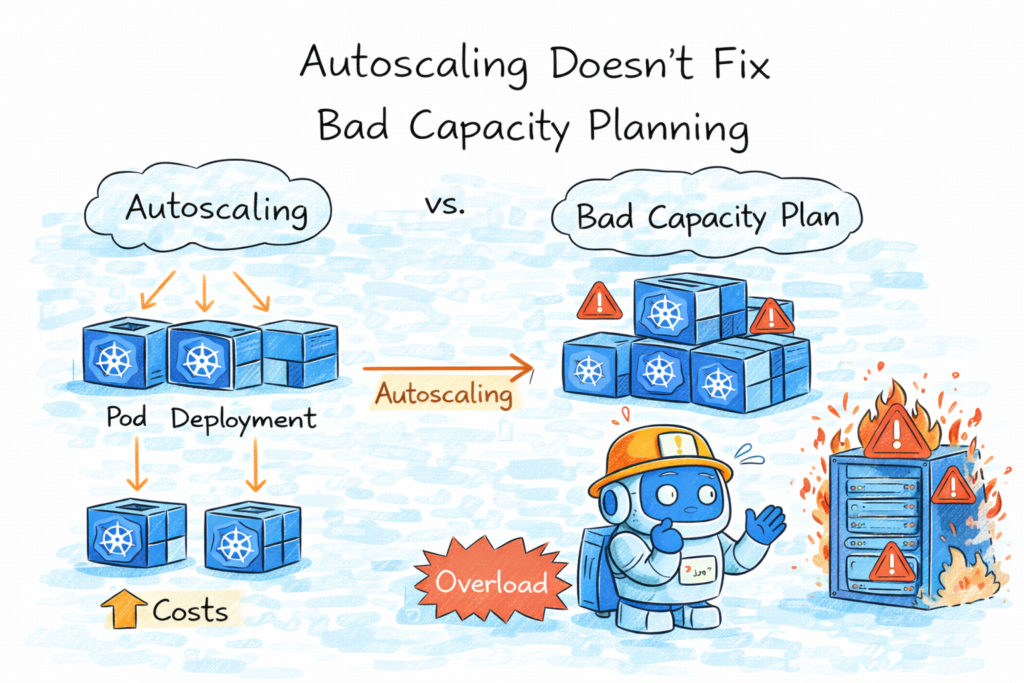
Autoscaling Doesn’t Fix Bad Capacity Planning

Introduction Autoscaling is often treated as a safety net. If traffic increases, scale out.If load drops, scale in.Problem solved — right? In reality, autoscaling is one of the most misunderstood concepts in modern infrastructure. Autoscaling reacts to problems. It does not prevent them. This post explains why autoscaling fails when used as a substitute for

Autoscaling Doesn’t Fix Bad Capacity Planning Read Post »

DevOps & Kubernetes

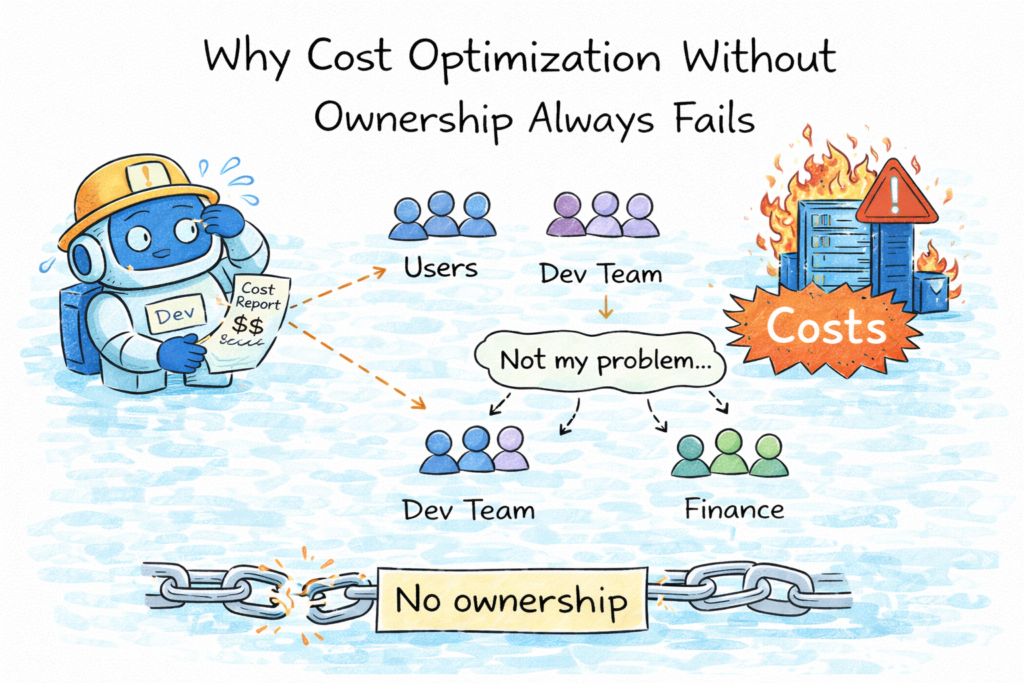
Why Cost Optimization Without Ownership Always Fails

Introduction Most organizations say they care about cloud cost optimization. Dashboards are created.Monthly reports are shared.Slack alerts notify when budgets are crossed. And yet, cloud costs keep growing. The problem is rarely lack of tools or visibility.The real issue is much simpler — and much harder to fix: Cost optimization without ownership always fails. This

Why Cost Optimization Without Ownership Always Fails Read Post »

DevOps & Kubernetes

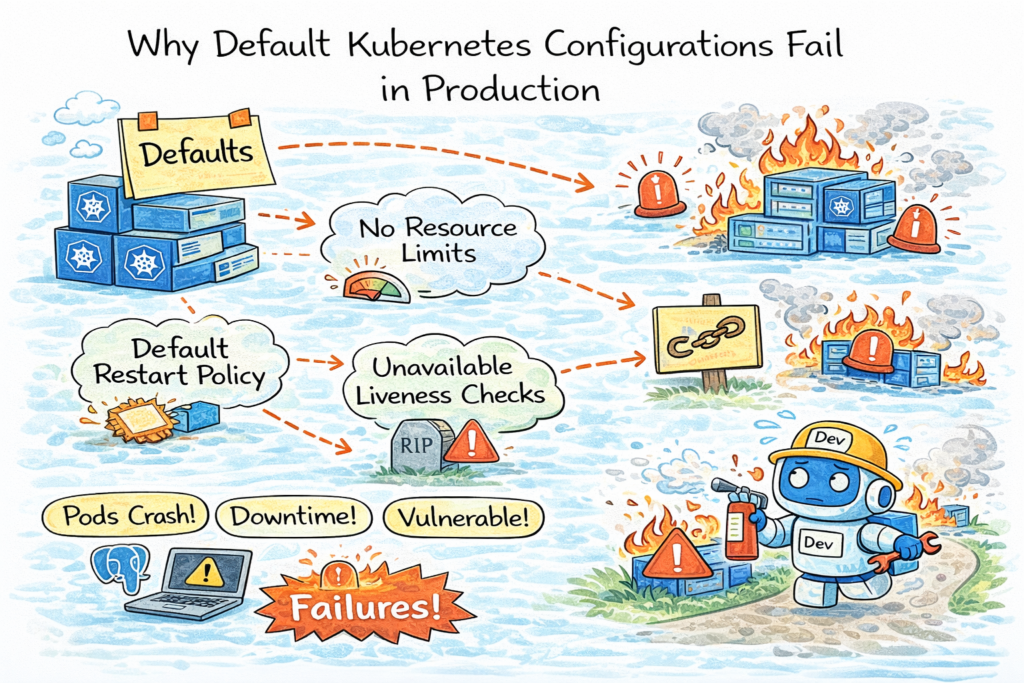
Why Default Kubernetes Configurations Fail in Production

Introduction Kubernetes works brilliantly in demos. Clusters come up. Pods run. Services respond.Everything looks healthy — until real traffic, real data, and real users arrive. Most production issues blamed on Kubernetes are not Kubernetes problems at all.They’re the result of default configurations that were never meant for production. This post explains why Kubernetes defaults fail

Why Default Kubernetes Configurations Fail in Production Read Post »

DevOps & Kubernetes

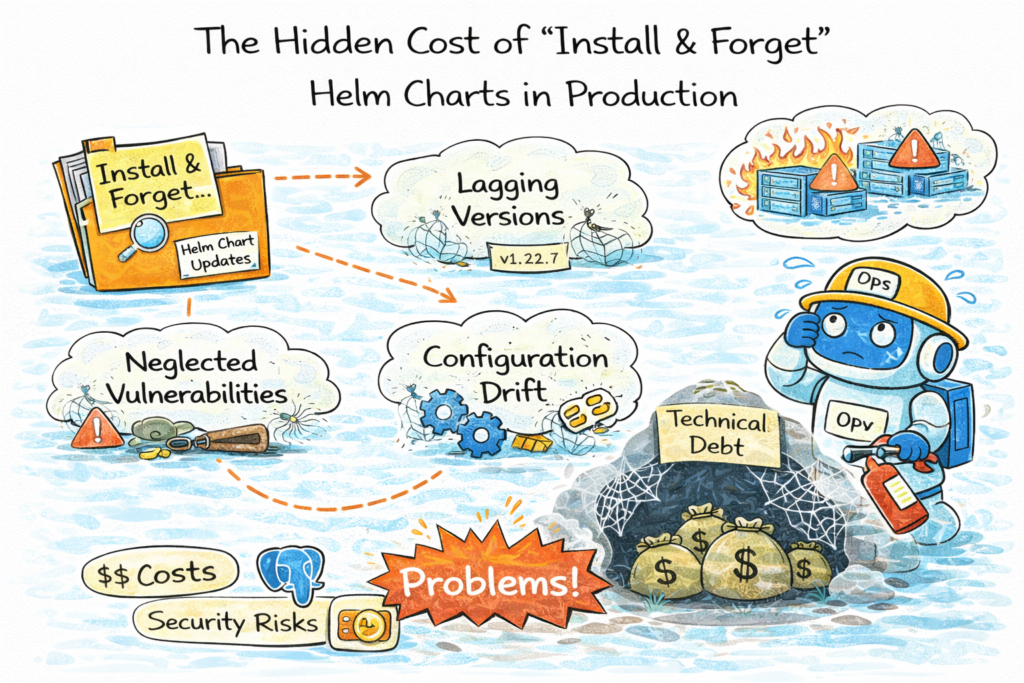
How to Secure Your Production Cluster Against Default Helm Settings

Introduction Helm charts made Kubernetes adoption easier — and at the same time, they introduced one of the most dangerous habits in modern DevOps: “install & forget.“ A chart installs successfully. Pods are running. Dashboards look green.So teams move on. Weeks or months later, problems start appearing: The root cause is rarely Kubernetes itself.It’s almost

How to Secure Your Production Cluster Against Default Helm Settings Read Post »

Scroll to Top