Blog

DevOps & Kubernetes

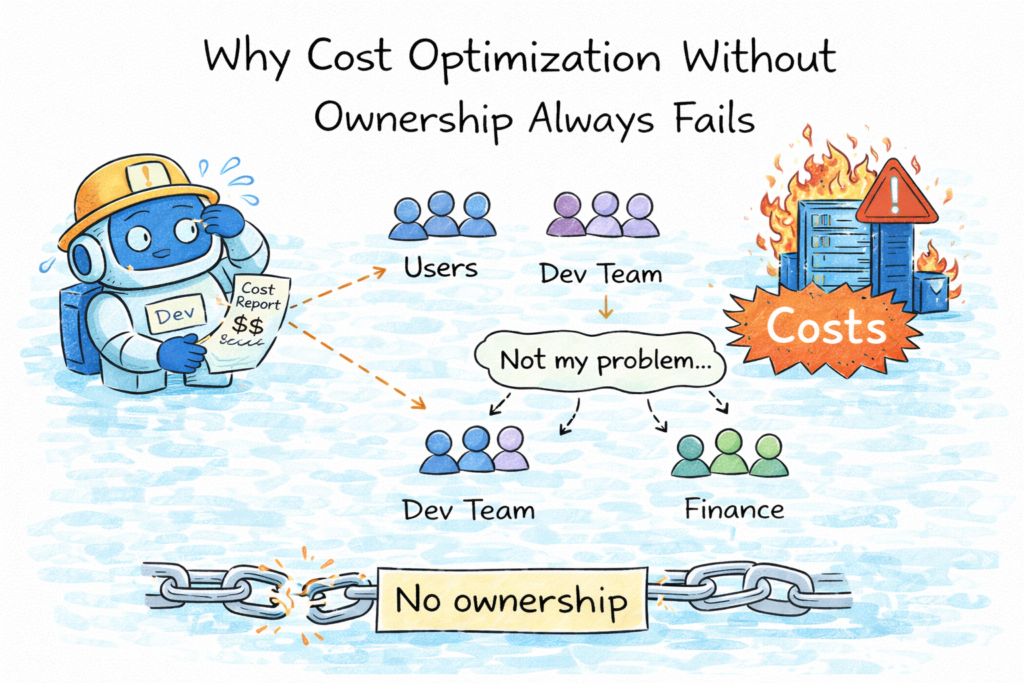
Why Cost Optimization Without Ownership Always Fails

Introduction Most organizations say they care about cloud cost optimization. Dashboards are created.Monthly reports are shared.Slack alerts notify when budgets are crossed. And yet, cloud costs keep growing. The problem is rarely lack of tools or visibility.The real issue is much simpler — and much harder to fix: Cost optimization without ownership always fails. This […]

Why Cost Optimization Without Ownership Always Fails Read Post »
Cloud Engineering

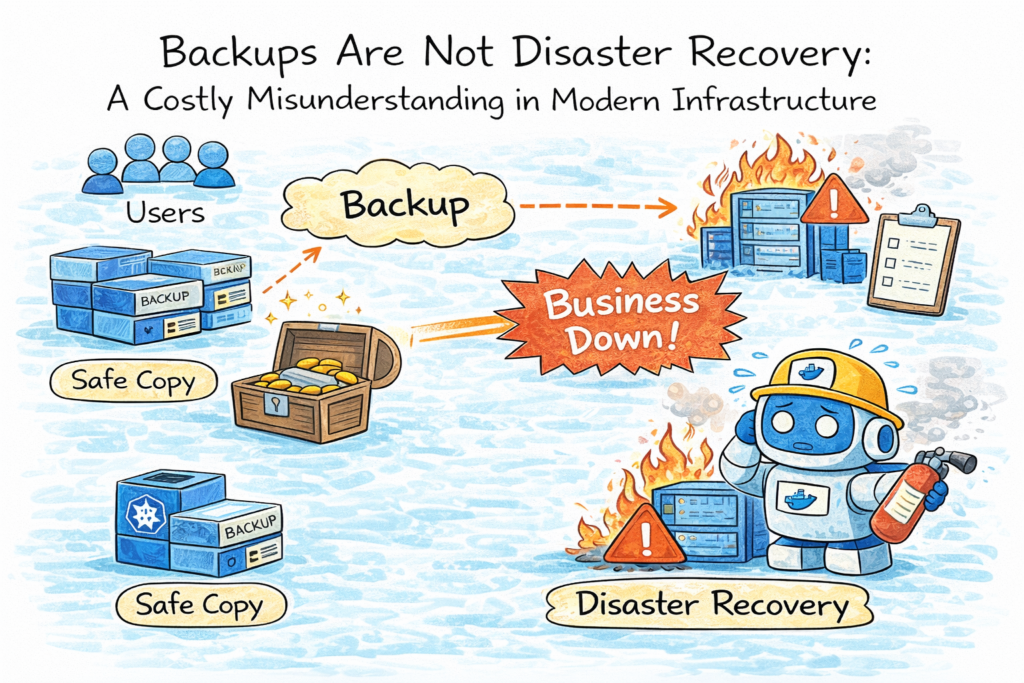
How to Avoid the Dangerous Myth That Backups Are Disaster Recovery

Introduction Ask most engineering teams whether they have disaster recovery (DR) in place, and the answer is often confident: “Yes, we have backups.” This statement sounds reassuring — but it hides one of the most dangerous misconceptions in modern infrastructure. Backups are not disaster recovery. They are related, but they solve very different problems. Confusing

How to Avoid the Dangerous Myth That Backups Are Disaster Recovery Read Post »

Cloud Engineering

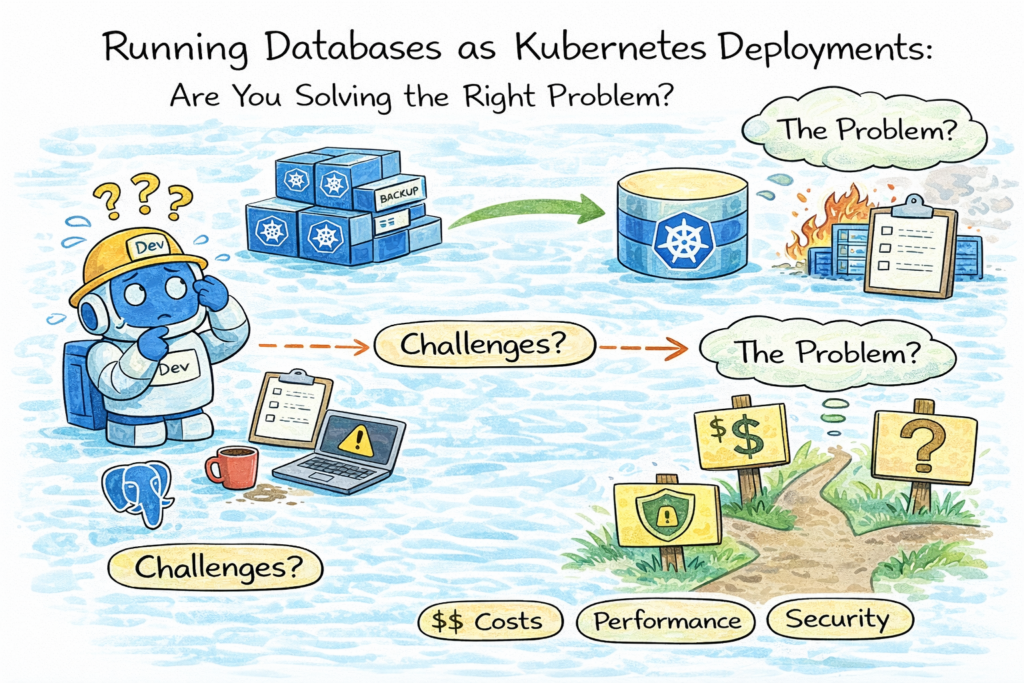
How to Avoid the Dangerous Trap of Kubernetes Database Deployments

Introduction Most small to mid-sized organizations running Kubernetes follow a familiar pattern: Everything seems fine — until the database crashes. That’s when teams stop building features and start panic-driven repairs. This post is not about how to run databases on Kubernetes.It’s about asking a more important question: Are you solving the right problem by running

How to Avoid the Dangerous Trap of Kubernetes Database Deployments Read Post »

DevOps & Kubernetes

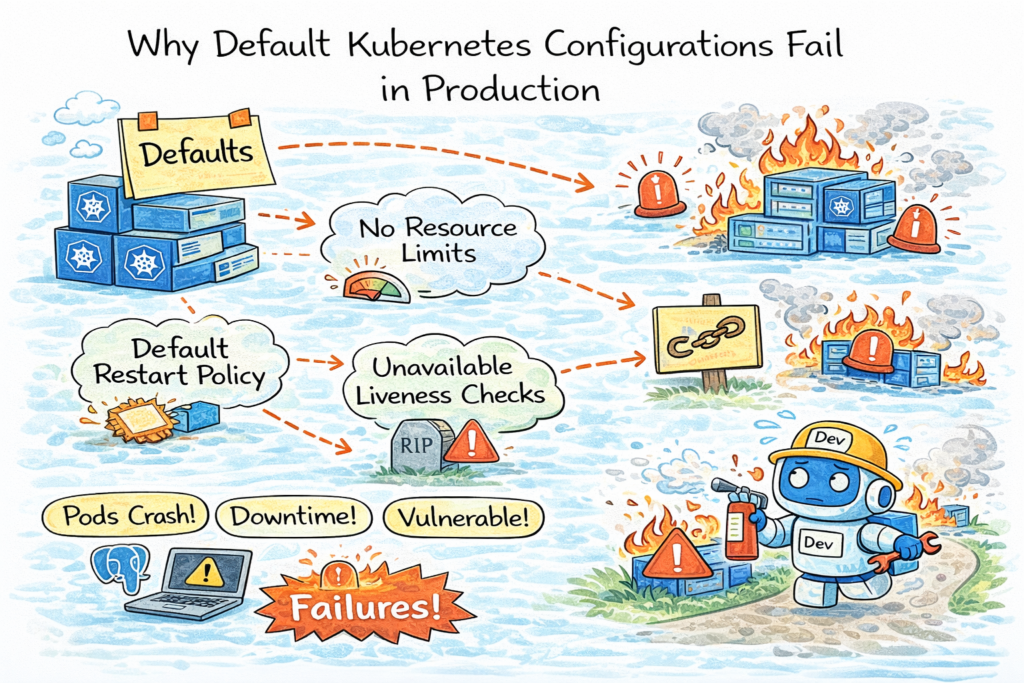
Why Default Kubernetes Configurations Fail in Production

Introduction Kubernetes works brilliantly in demos. Clusters come up. Pods run. Services respond.Everything looks healthy — until real traffic, real data, and real users arrive. Most production issues blamed on Kubernetes are not Kubernetes problems at all.They’re the result of default configurations that were never meant for production. This post explains why Kubernetes defaults fail

Why Default Kubernetes Configurations Fail in Production Read Post »

DevOps & Kubernetes

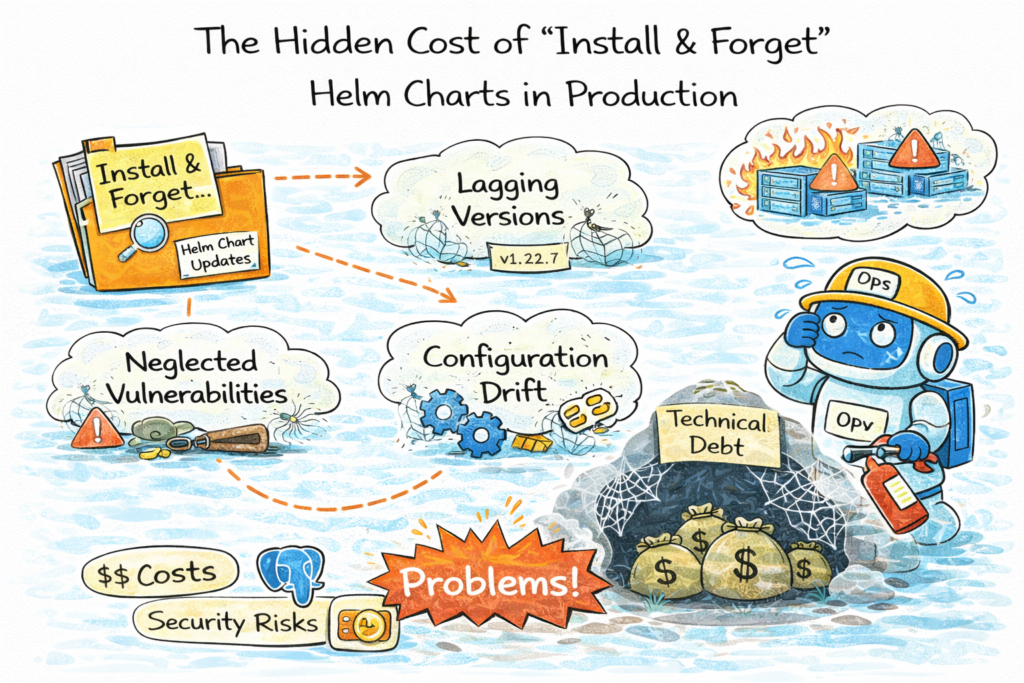
How to Secure Your Production Cluster Against Default Helm Settings

Introduction Helm charts made Kubernetes adoption easier — and at the same time, they introduced one of the most dangerous habits in modern DevOps: “install & forget.“ A chart installs successfully. Pods are running. Dashboards look green.So teams move on. Weeks or months later, problems start appearing: The root cause is rarely Kubernetes itself.It’s almost

How to Secure Your Production Cluster Against Default Helm Settings Read Post »

Scroll to Top